History of the NIJ Building
Un secol de istorie
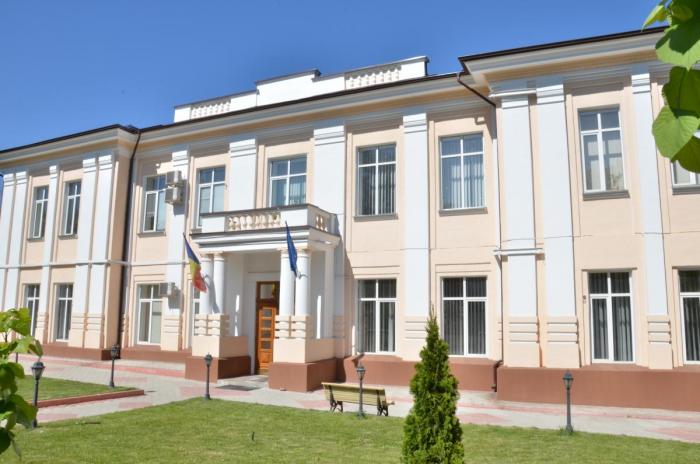
1 Serghei Lazo Street, Chișinău 2004
1913 — prezent
Building Timeline
Primary Education Development Plan
On May 29, 1913, the Chișinău City Council adopted an ambitious primary education development plan. This historic decision marked the beginning of the construction of a building dedicated to the education of orphan children.
Construction Begins
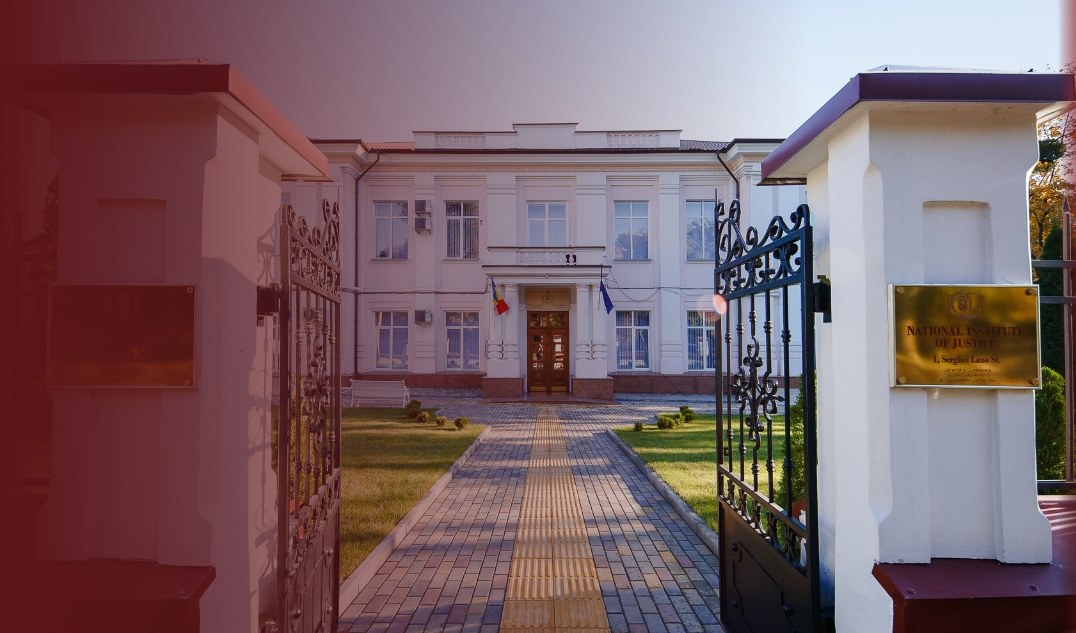
In May 1914, the construction of "Primary School for Boys No. 1" and "Primary School for Girls No. 2" began. The design was entrusted to a known architect of the time, reflecting the educational ambitions of the period.
Completion and Consecration of the Building
On May 25, 1916, the building was completed and consecrated by Archbishop Anastasie. This two-story structure became a refuge for orphan children, providing them education and a home.
Regina Maria Orphanage
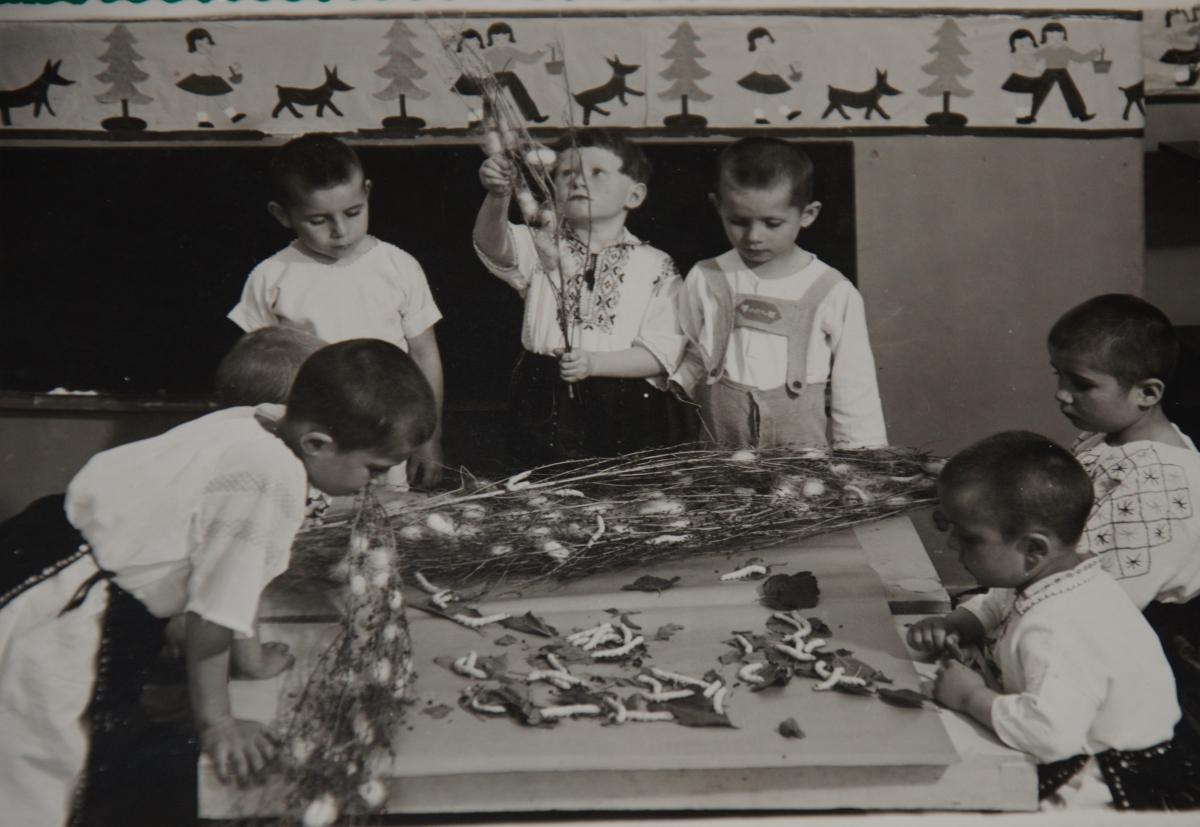
The building becomes the headquarters of the "Queen Marie" Children's Orphanage. This institution, under the leadership of Alexandra Remencu, combined academic education with practical work, family atmosphere, and intellectual development, becoming a model for all of Europe.
International Recognition
Maria Montessori's commission visits the orphanage and declares it the best children's shelter in Europe. Alexandra Remencu is invited to present the orphanage's methodology at a League of Nations congress in Rome, being received in audience by Pope Pius XI at the Vatican.
Soviet Period Begins
The Soviet occupation brings dramatic changes. Dumitru Remencu, Alexandra's husband and a well-known publicist, commits suicide on July 13, 1940, two weeks after the arrival of the Soviets, following NKVD interrogations. The orphanage is closed, marking the end of a golden era.
Wartime Evacuation
During World War II, the building is evacuated. Alexandra Remencu works as a nurse for the Red Cross in Găești, Romania, receiving the Romanian Red Cross decoration for her humanitarian services.
Agricultural University Faculties
After the war, the building houses faculties of the agricultural university, marking a new stage in its educational history, albeit in a completely different context.
Artistic Publishing House
Toward the end of the Soviet period, the building serves as headquarters for an artistic publishing house, hosting cultural and publishing activities.
Establishment of the National Institute of Justice
On November 8, 2006, the National Institute of Justice is registered in the State Register as a legal entity, marking the beginning of a new mission for this historic building: training professionals in the judicial system.
Official Inauguration of NIJ
On November 9, 2007, the official inauguration ceremony of the National Institute of Justice takes place, with the participation of the President of the Republic of Moldova, Vladimir Voronin, and the Secretary General of the Council of Europe, Terry Davis. This centennial building begins a new chapter in the service of justice and the rule of law.
Figuri istorice marcante
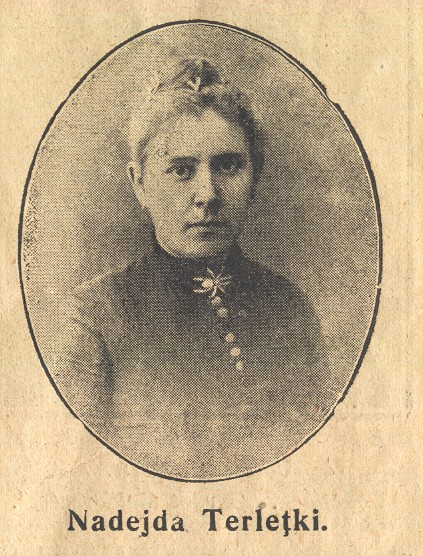
Nadejda Terlețki
Director of Primary School No. 5
1870 – necunoscut | Directoare 1917–1925
Pioneer educator who served as director of Primary School No. 5 from 1917 to 1925. She was instrumental in advancing education and collaborated with cultural figures in theater and public lectures. Active participant in teachers' congresses in Russia, known for her remarkable oratory skills. Her residence hosted the editorial office of the Cuvânt moldovenesc publication.
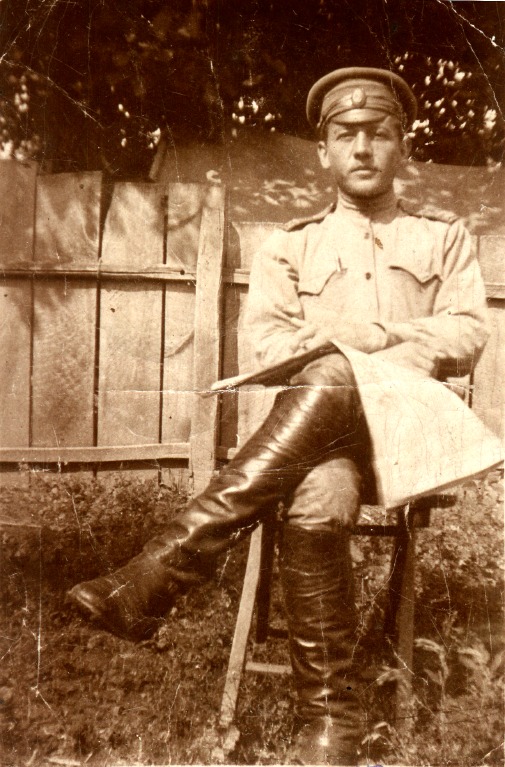
Dumitru I. Remencu
Publicist and Philosopher
1895 – 1940
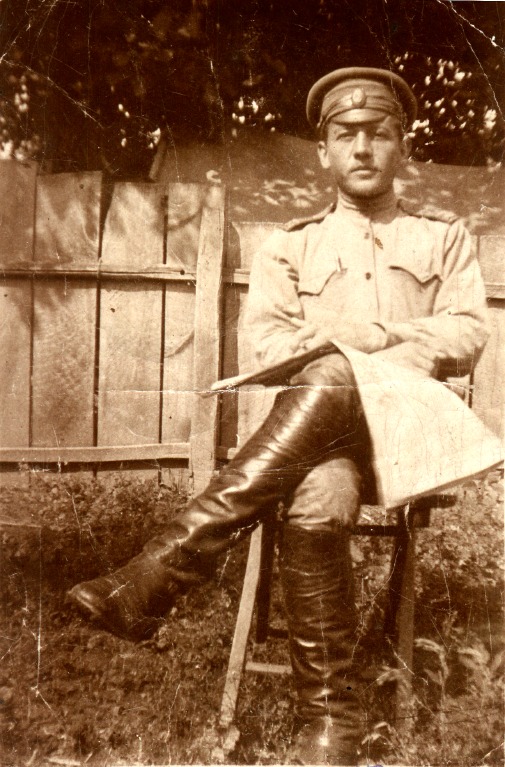
Journalist and philosopher, originally from Bolgrad, who contributed to publications such as Cuvânt moldovenesc, Viața Basarabiei, Timpul and Astra. Husband of Alexandra Remencu and a respected intellectual, he had friendships with notable figures such as Father Vasile Țepordei. Following the Soviet occupation of 1940, he was subjected to NKVD interrogations. He tragically committed suicide on July 13, 1940, being considered by his son as "the first victim of the Soviet occupation."
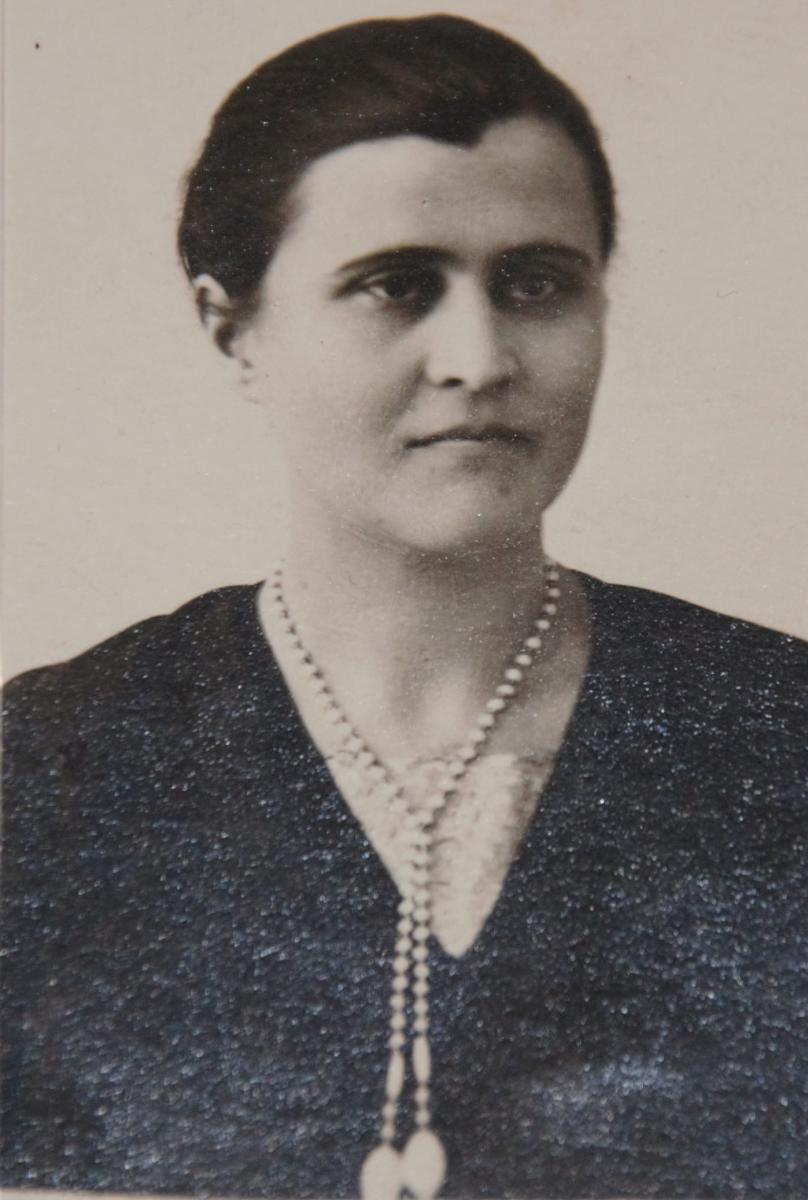
Alexandra Remencu
Content management
1897 – 1959 | Directoare 1929–1940
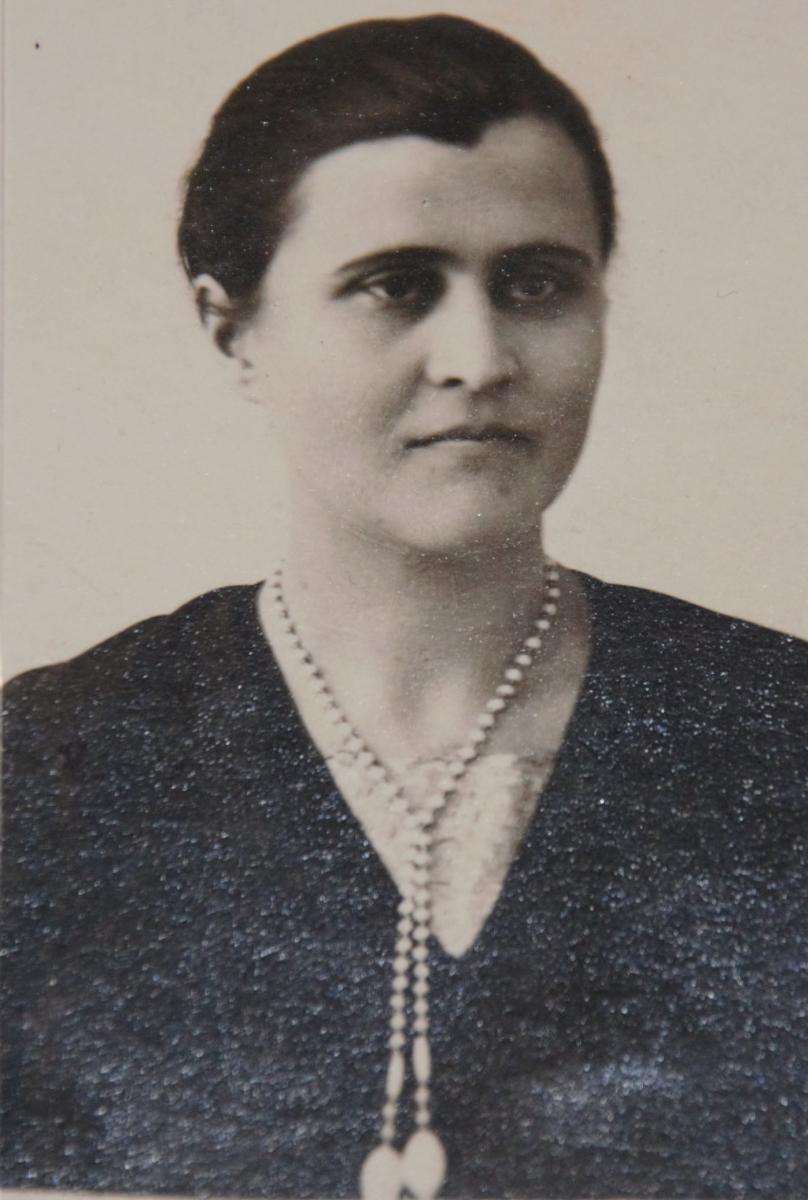
Born in Peresecina, Orhei county, she studied mathematics at the University of Odessa. At the age of 32, she was appointed director of the orphanage for children in Chișinău. Under her leadership, the institution received international recognition for its innovative approach to caring for children from disadvantaged families. In 1938, she was invited by Maria Montessori to present her work at a League of Nations congress in Rome and was received in audience by Pope Pius XI. The children called her "mama."
European-class Orphanage
"The best children's shelter in Europe"
— Maria Montessori Commission, 1938
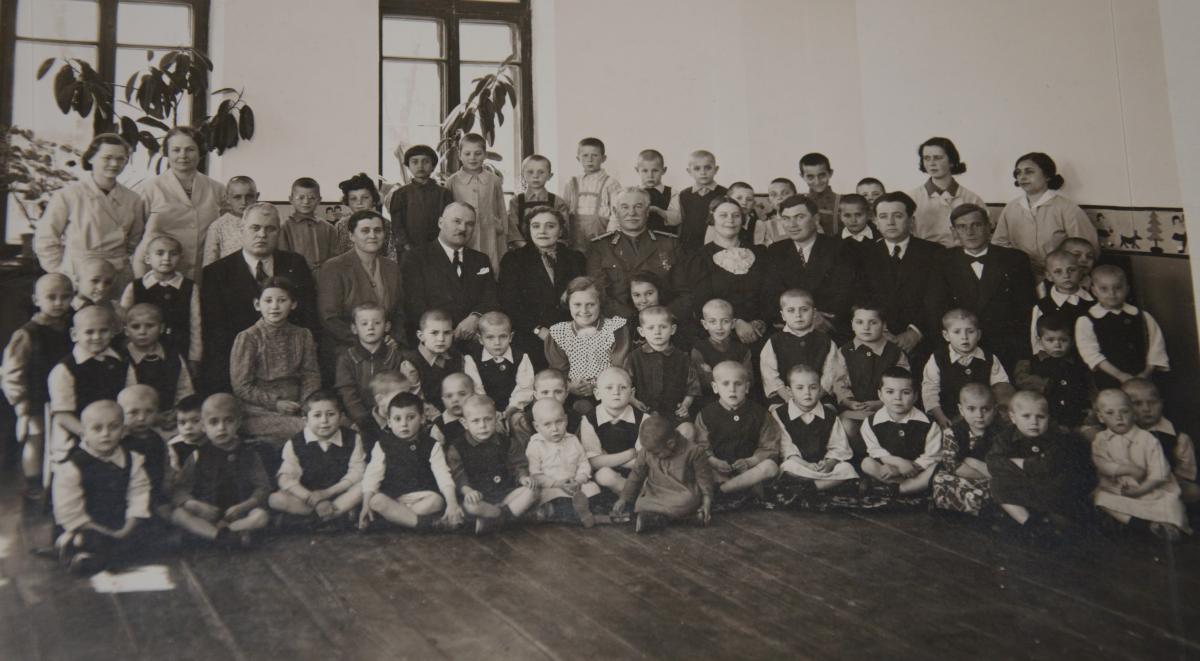
During the interwar period, the building at 1 Grand Voivode Mihai Street (now 1 Serghei Lazo Street) housed an exceptional orphanage that gained international recognition. Under the leadership of Alexandra Remencu, the institution combined academic education with practical work, a family atmosphere, and intellectual development.
The orphanage permanently housed 70-80 children from disadvantaged families, providing them medical care through volunteer doctors and quality education. The atmosphere was so warm that the children called Alexandra "mama."
The institution's success was so remarkable that in 1938, Maria Montessori's commission visited the orphanage and declared it the model to follow for Europe. Alexandra Remencu was invited to share her methodology at a League of Nations congress in Rome, where she was received in audience by Pope Pius XI at the Vatican.
Femei directoare
Nadejda Terlețki
Director of Primary School No. 5
Led School No. 5 where she "participated in teachers' congresses in Russia" and was known for her remarkable oratory. Her home hosted the editorial office of the publication Cuvânt moldovenesc.
Alexandra Remencu
Director of the Regina Maria Orphanage
Led kindergarten No. 17, then became director of the orphanage in 1929. Her institution gained model status by 1940 and was visited by a League of Nations commission. She presented the orphanage's methodology at a congress in Rome in 1938 and was received in audience by Pope Pius XI.
Historic visit: Maria Montessori Commission (1938)
Methodology presentation at the League of Nations, Rome
Papal audience with Pius XI at the Vatican
Eugenia Fistican
Executive Director of INJ
Served as executive director of NIJ starting from 2006, leading the institution in its first years of formation. Under her leadership, NIJ became a respected training institution in the justice field.
Medalia Meritul Civic (2008)
Titlul onorific "Veteran al Sistemului Judiciar" (2015)
Anastasia Pascari
Executive Director of INJ
(1947–2014) Held the position of executive director from 2011, winning multiple state distinctions for her contributions to the judicial system and professional training of magistrates.
Ordinul Gloria Muncii
Medalia Meritul Civic
Diana Scobioală
Director of INJ
University professor and doctor of international law, served two terms as NIJ director (2015–2020; 2020–2021) before becoming a judge at the European Court of Human Rights, representing the Republic of Moldova, in September 2021.
ECHR Judge representing the Republic of Moldova (since 2021)
University professor and doctor of international law
Ecaterina Popa
Acting Director of INJ
Currently serves as interim director of the National Institute of Justice, continuing the mission of training professionals in the Moldovan judicial system.
Behind the Scenes of History
The current headquarters of the National Institute of Justice at 1 Serghei Lazo Street (formerly German Street, later Grand Voivode Mihai Street) was originally built during World War I as an orphanage. Completed in 1916, this two-story structure housed two separate schools for orphan children — one for boys and one for girls — addressing the humanitarian crisis created by the war.
The history of this building is interwoven with extraordinary human destinies, moments of glory and tragedy, innovative educational visions, and profound social changes. From the internationally recognized orphanage to the modern legal training institution, this building has witnessed a century of transformations.
Circuitele intelectuale
The building was the center of remarkable intellectual circles in Chișinău — educators and priests interconnected through family networks. The Cuvânt moldovenesc publication had its editorial office in the residence of Nadejda Terlețki, and Dumitru Remencu contributed to Viața Basarabiei, Timpul and Astra.
Tragedia anului 1940
The Soviet occupation brought the end of an era. Dumitru Remencu committed suicide just two weeks after the arrival of the Soviets, following NKVD interrogations. His son, Sergiu, characterized him as "the first victim of the Soviet occupation."
Rebirth in the Modern Era
After decades of various uses — from university faculties to artistic publishing house — the building was reborn in 2006-2007 as the National Institute of Justice. The inauguration on November 9, 2007, with the participation of President Voronin and Council of Europe Secretary General Terry Davis, marked the beginning of a new chapter in the service of justice and the rule of law.