Alexandra Remencu
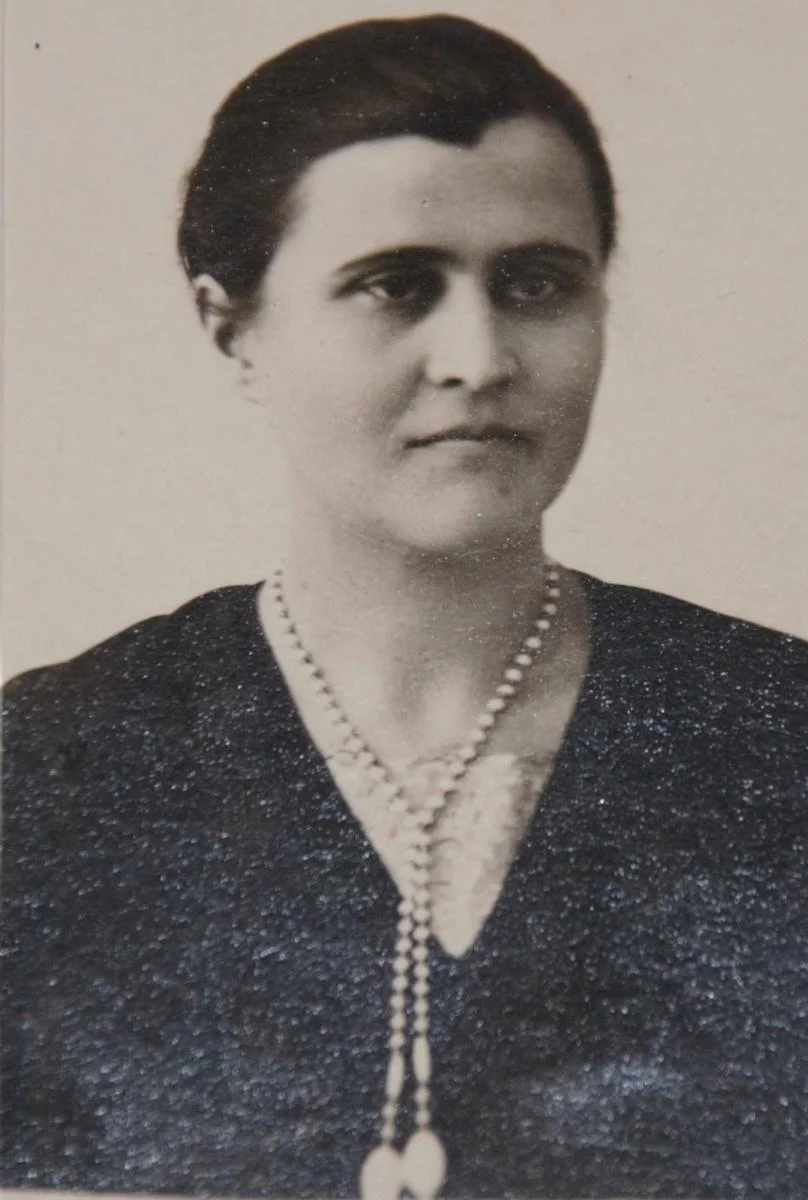
The children called her "our mother"
(Excerpts from an interview with Sergiu Remencu, the son of Alexandra Remencu, director of the Children's House during 1929-1940)
- Mr. Sergiu Remencu, I found out that a good part of the history of Chisinau is also connected to your family. You are the son of the one who was Alexandra Remencu, the lady invited to the Vatican... In what year did this event take place?
- My mother was born in Peresecina, Orhei county, in a family of priests. He studied at the University of Odesa, Faculty of Mathematics. She was 32 years old when she was appointed director of the children's orphanage in Chisinau, a unique institution of its kind. In 1938, Mrs. Maria Montessori, the representative of the League of Nations, invited the mother to a special congress that took place in Rome, asking her to share her experience of institutionalizing children from needy families. Also then, my mother visited the Vatican, at the invitation of Pope Pius XI. He returned with a lot of impressions and memories, but also with many plans for the future.
- And did he succeed in carrying out those plans?
- It didn't last, all my mother's dreams were shattered in 1940. With the change of regime, the orphanage was closed.
- The war has begun...
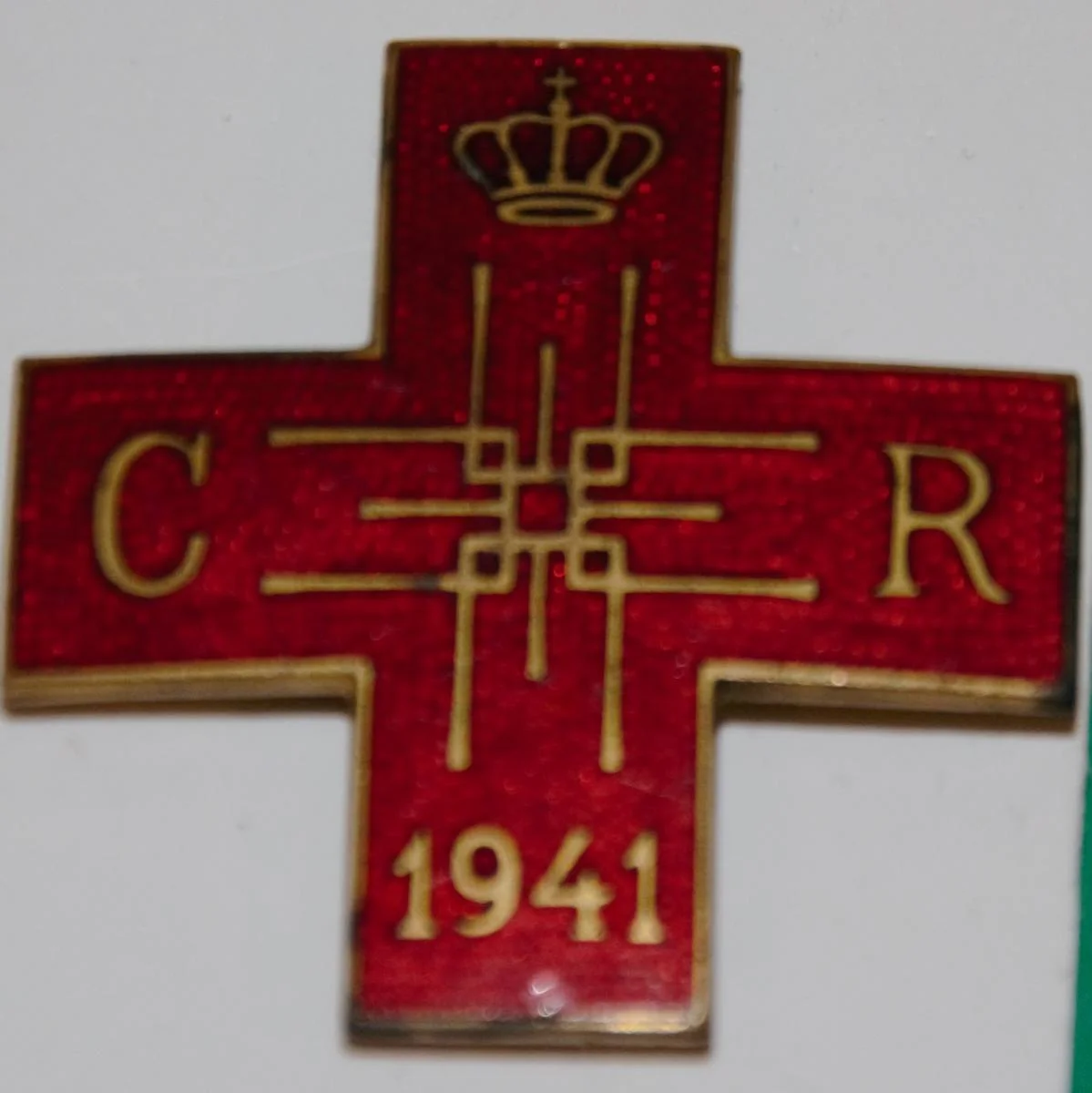
- Yes, during the war we took refuge in the city of Gaesti, Romania. There my mother worked as a charity sister, for which fact she was decorated with the "Red Cross" order. He passed away in 1959. He always remembered his disciples in the orphanage and regretted only one thing: that he could not help as many children as possible.
- Where is the orphanage, on which street?
- In the building on Marele Voievod Mihai street, 1 in Chisinau. Today the street is called S. Lazo, 1 and it is the location of the National Institute of Justice.
- How many years did your mother manage that institution?
- Between the years 1929-1940 there was Kindergarten no. 7 (the orphanage "Casa copuliu"), of which my mother was the director. I also did my studies there, I spent the first seven years of my life at the orphanage. My mother, as headmistress, was given a few rooms on the first floor. My father lived in one, my mother and I in another, my brother lived in the third. When, after several years, I had the opportunity to visit the building, with great emotions I entered the rooms that admired my childhood... Today, the offices of the INJ employees are located in those rooms. I remembered the place where my father's library was and the big table I used to hide under when I was having sex, as if I saw my room again with a huge bed on which it was so sweet to sleep... I was glad that the windows remained as they were in the past: high, with a wide window sill. It's just that back then they were closed with shutters, now they are with blinds.
- Do you remember the children from the orphanage?
- There were 70-80 children permanently in the orphanage. They were from poor families, orphans of one or both parents. I remember that once two sisters were brought, whose parents burned in a fire. They remained happy, but it took a long time to recover from the shock they went through. There were other cases, just as dramatic, that's why the children were treated by Dr. Koţovski, a doctor at the sanatorium for neurological diseases, which was not far from the orphanage. The children were also consulted by other doctors for free. There were also heavy children. I remember a boy and how my mother told me to play with him as much as possible... When the war started, they were all evacuated somewhere in Russia, in the Urals, they worked there at an armaments factory and... only two little girls returned. In the last years, when my mother was on the bed of suffering, a gentleman visited her, the child of yesteryear, Nicusor. Although seriously ill, the mother recognized him... They cried for joy at seeing each other again. I went out, and when I entered the room, the man was kneeling by my mother's bed, and my mother was stroking his head... The children loved her, they called her "our mother"...
Antonina SARBU
In photos:
-
Alexandra Remencu
-
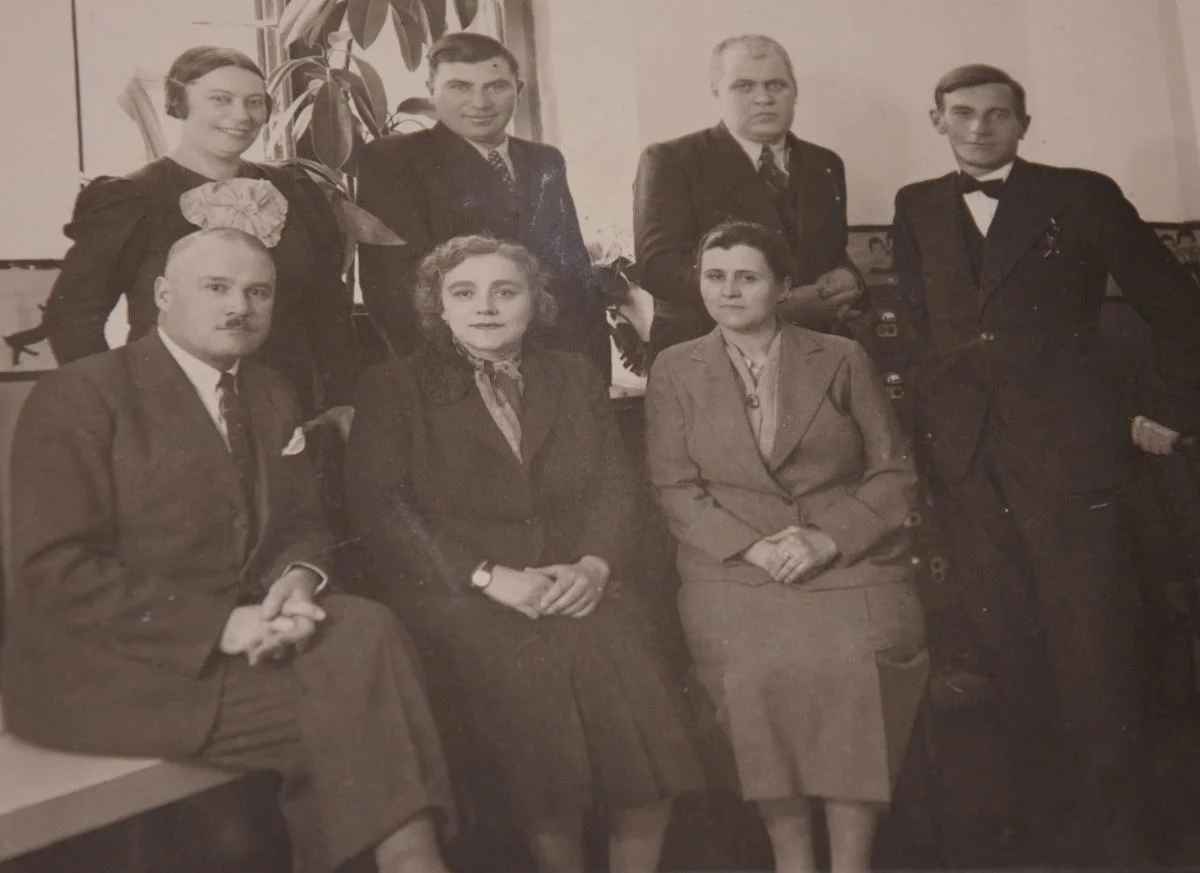
Teachers and educators from the child's home. The first on the bottom right – Alexandra Remencu
-
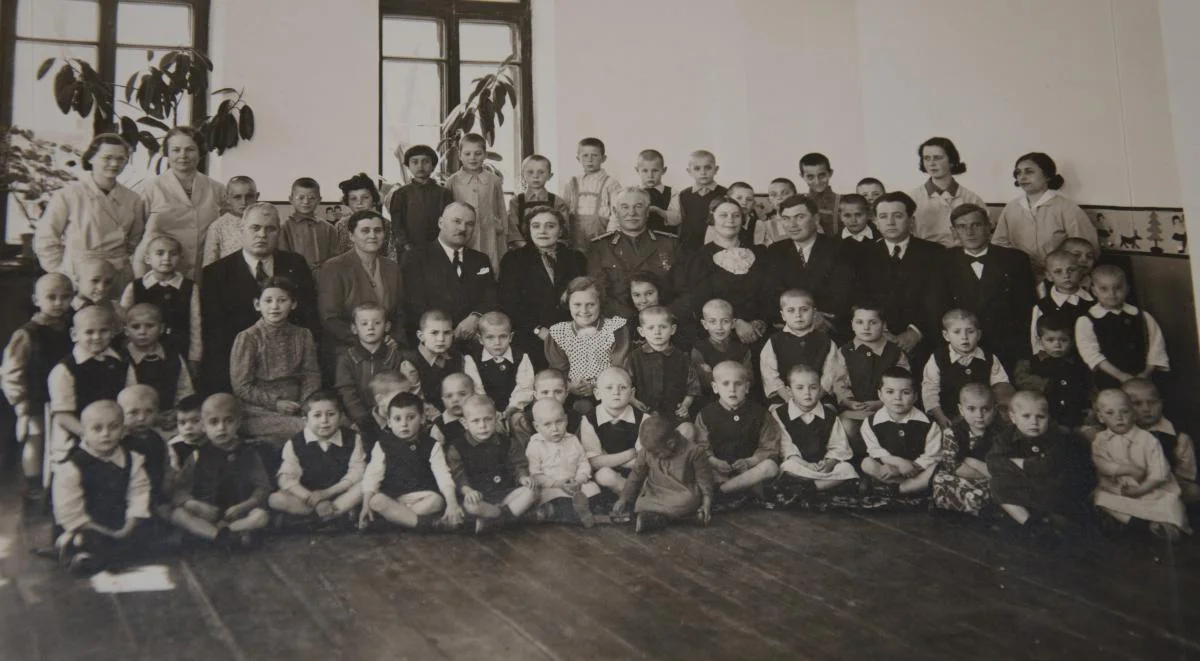
They represented the Children's House in the interwar period
-
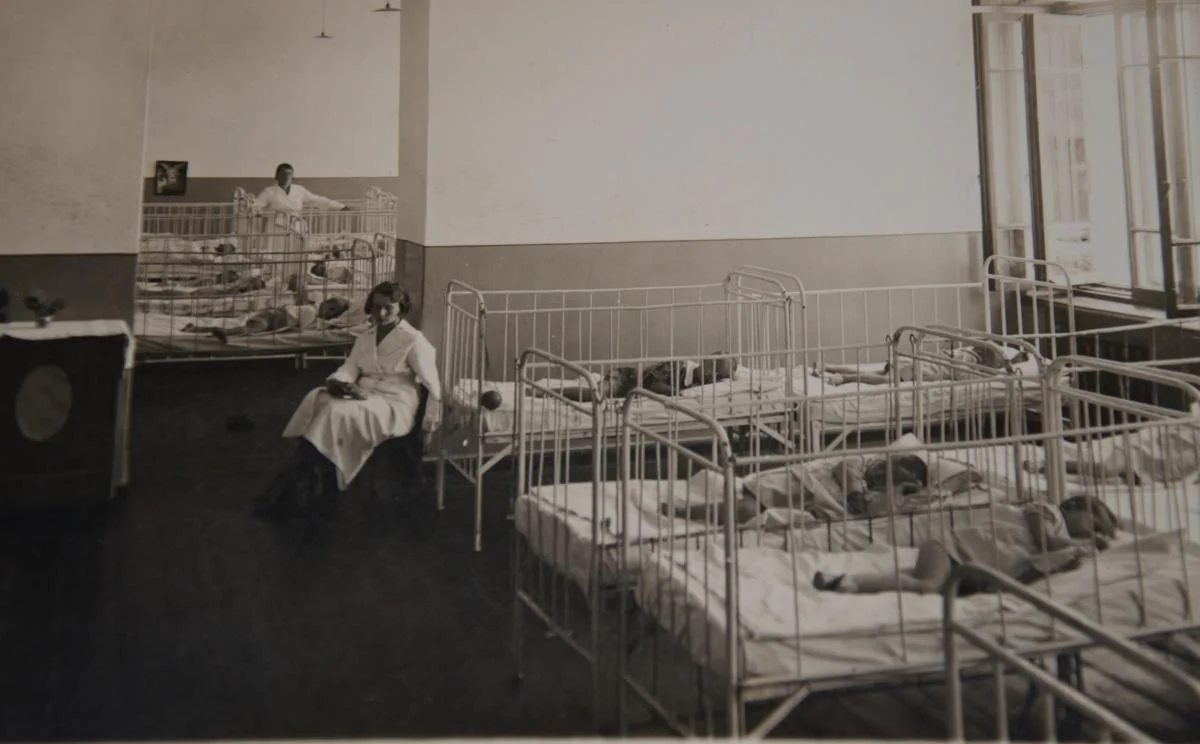
The bedroom in the Children's House
-
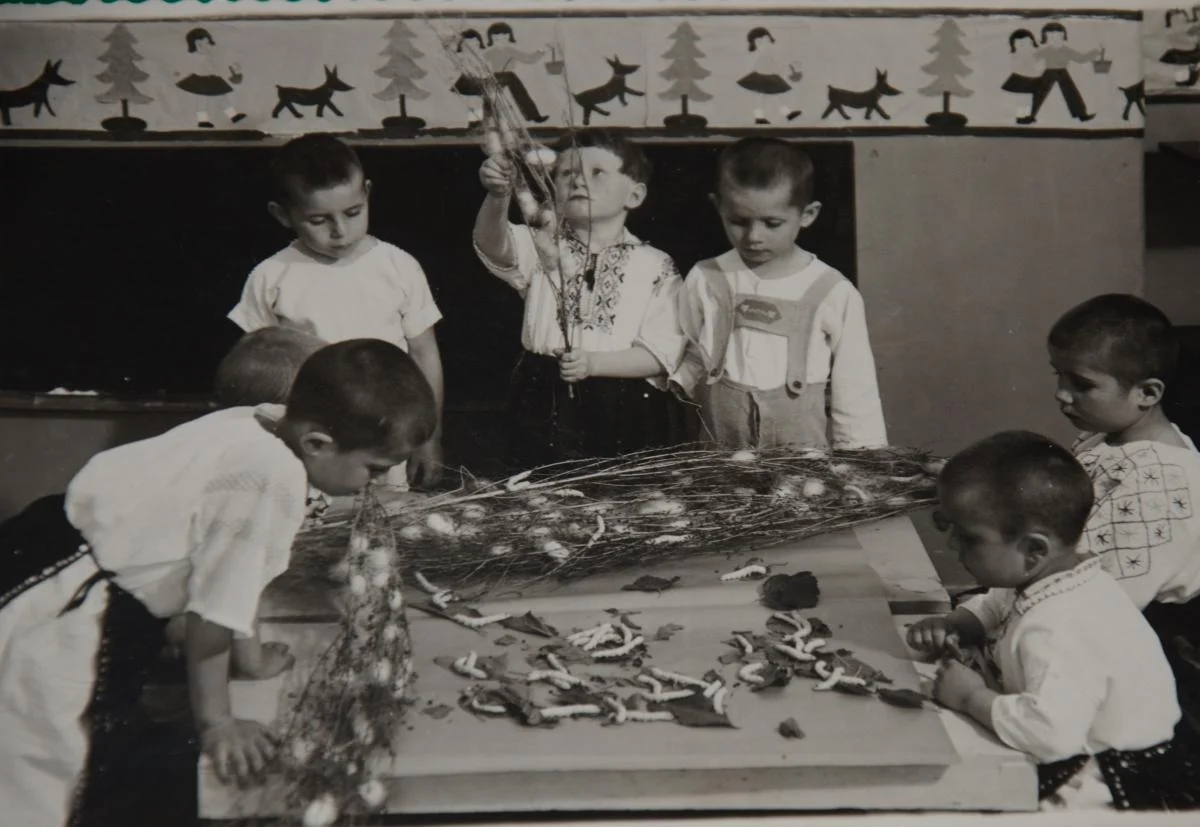
He raised silkworms
-
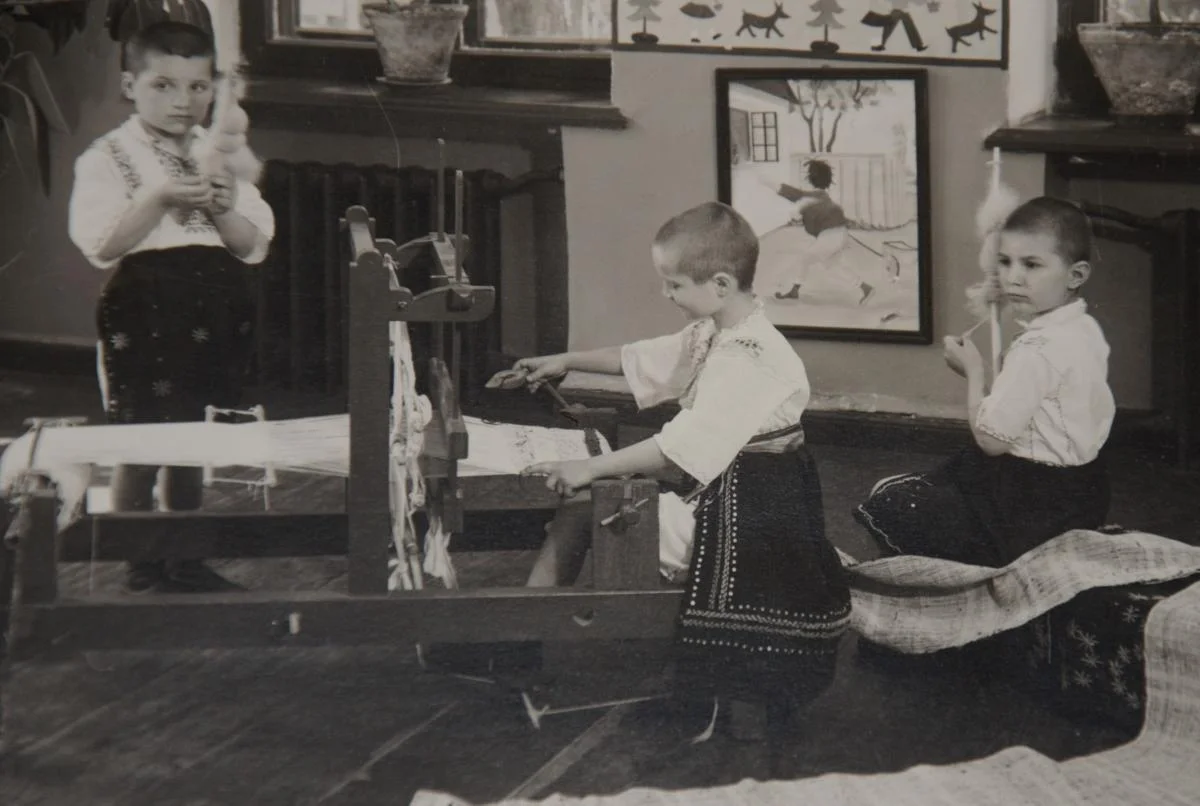
Children learn folk traditions
-
During the war, Alexandra Remencu worked as a sister of charity in the city of Găesti, Romania, for which the Romanian Government decorated her with the "Red Cross" order.