Prospects for anti-corruption collaboration, discussed with the team of the USAID Initiative "Resilient Institutions against Corruption", phase II
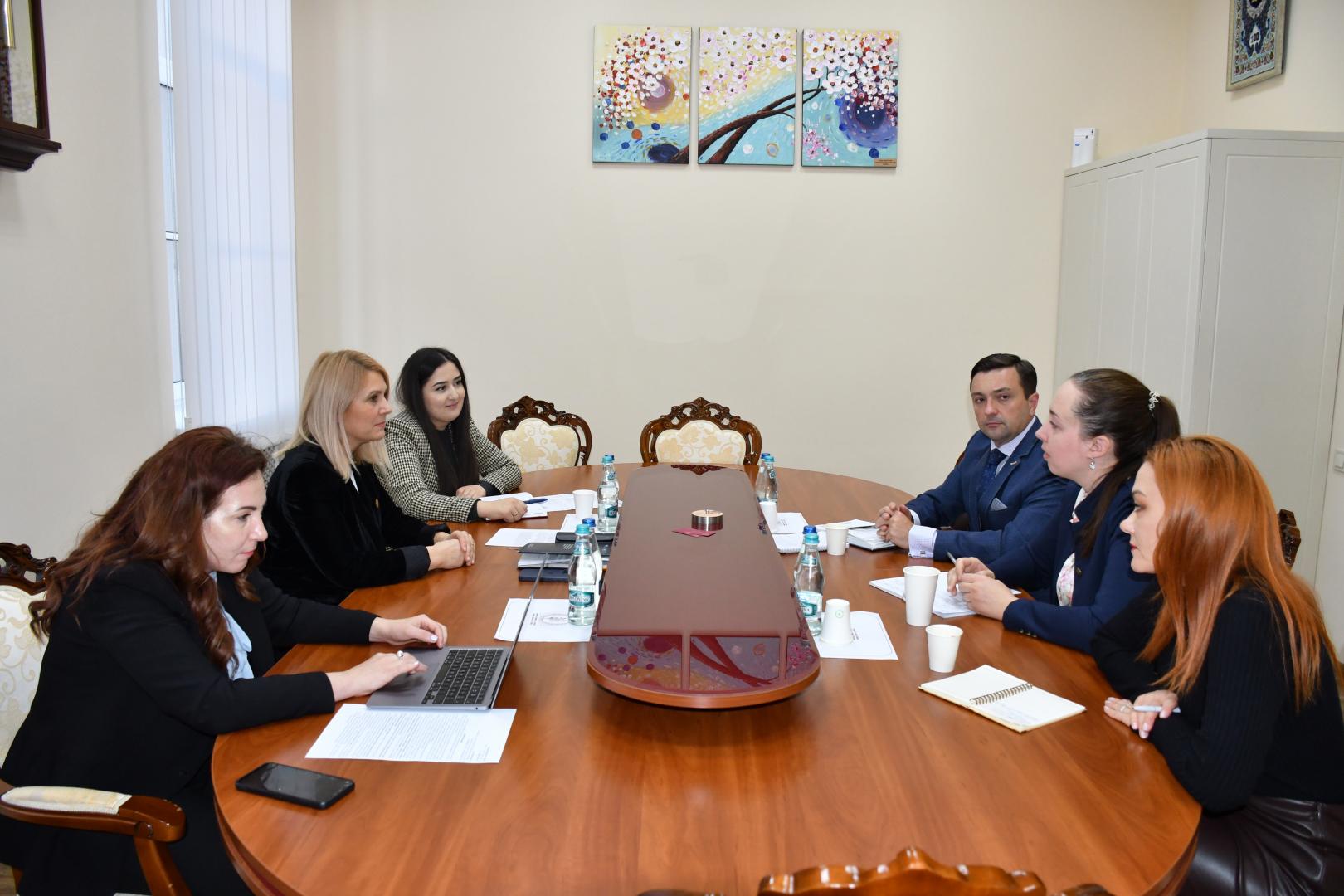
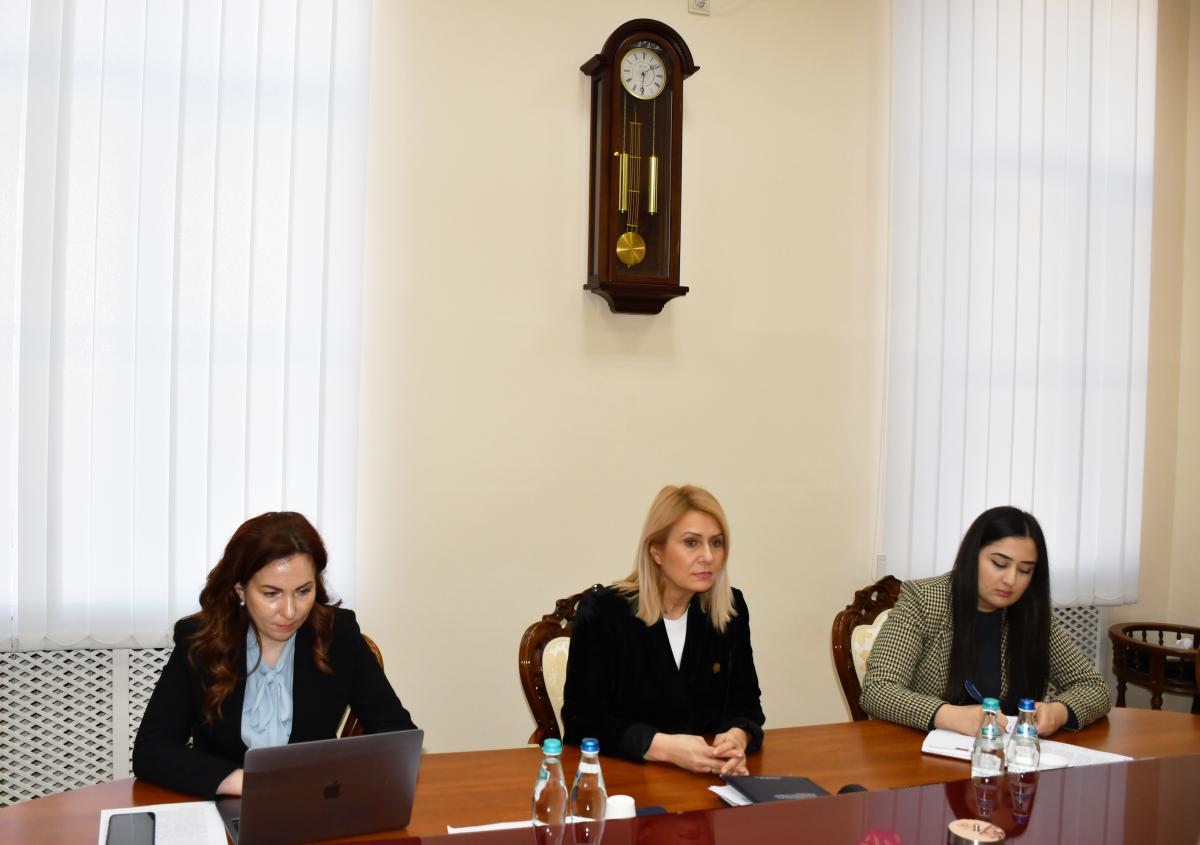
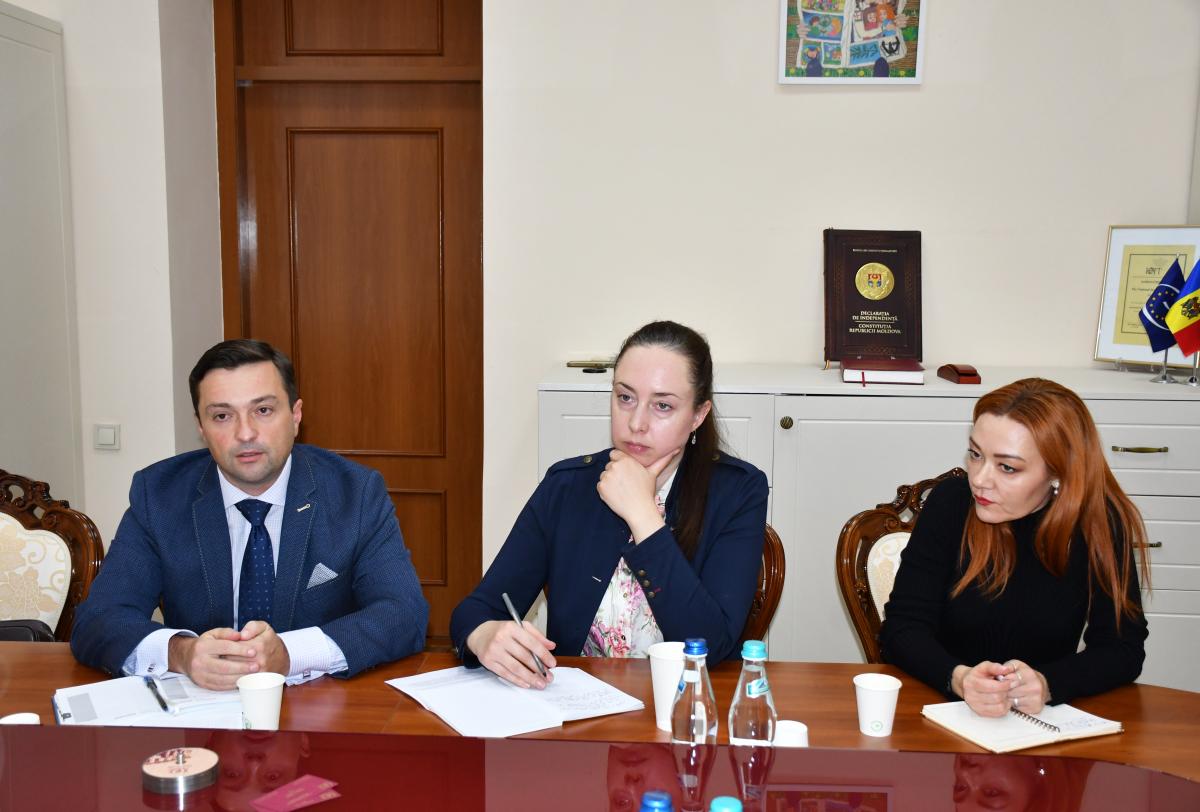
On Thursday, December 19, 2024, at the National Institute of Justice, a meeting was held with the representatives of the USAID initiative "Resilient Institutions against Corruption" (RISC), phase II - Eugen Burdelnii, team leader, Cristina Reul, senior technical advisor, and Angela Caranfil, finance, grants and administration manager.
During the discussions with the head of the Training and Research Directorate, Ecaterina Popa, the head of the Legal Information Center, Tatiana Ciaglic, and the head of the e-training Section, Tatiana Brumă, cooperation opportunities were explored for the improvement of training programs and the development of institutional capacities.
The representatives of the National Institute of Justice pointed out the main directions that require the support of partners. A major priority is the use of modern training tools such as e-capsule, to respond to the immediate needs of professionals including in the anti-corruption field. The usefulness of training prosecutors and judges specialized in the investigation and examination of corruption cases was also highlighted. In the same context, the importance of strategic communication and the development of a communication strategy of the National Institute of Justice was discussed.
Another essential aspect addressed at the meeting was aimed at facilitating the participation of the Institute's beneficiaries in the training activities offered by the European Judicial Training Network (EJTN), as well as the audience or young graduates of the INJ in the AIAKOS Program.
The RISC project team showed openness to the identified priorities, and will come back with concrete proposals for assistance in carrying out some initiatives.
Endorsed by USAID, the second phase of the RISC project focuses on three key areas: a) improving cross-border collaboration to combat corruption and illicit political financing, b) strengthening institutional processes through risk management and regulatory reforms, and c) empowering institutions, media and civil society to counter disinformation. Activities include leveraging international fora, conducting vulnerability analyses, addressing enforcement gaps and developing communication capacities.
Galerie foto oficială (2)