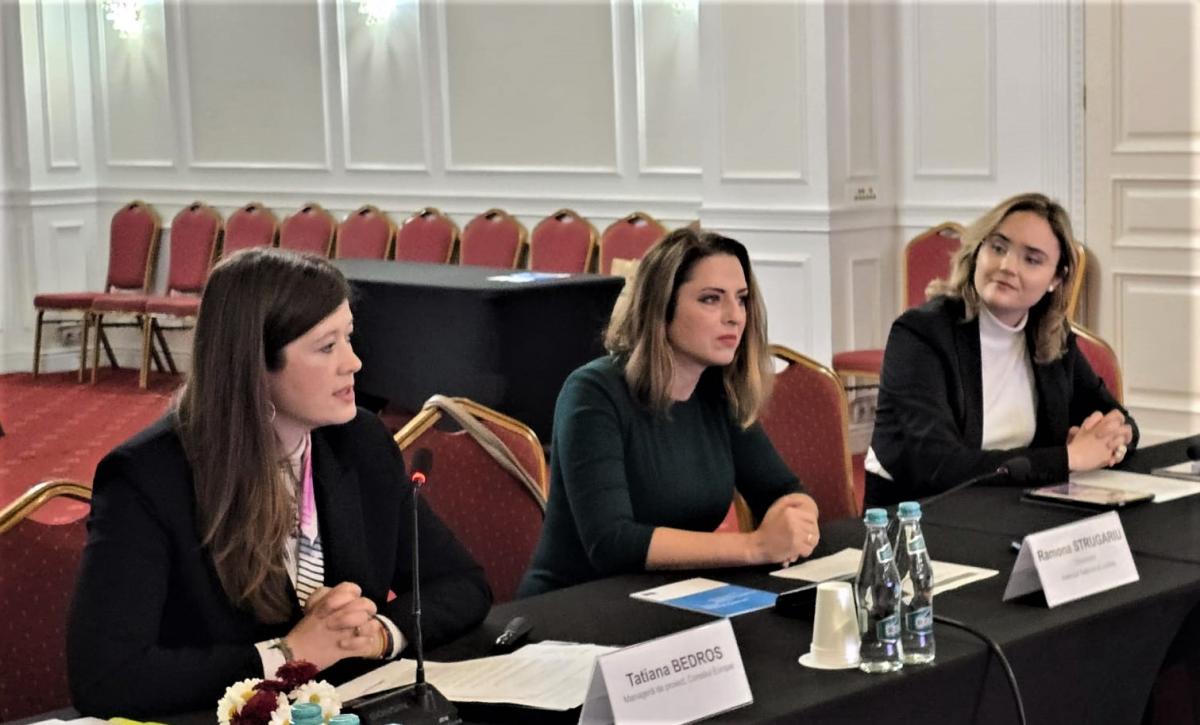
The HELP course on alternative measures to detention in the context of migration has been launched
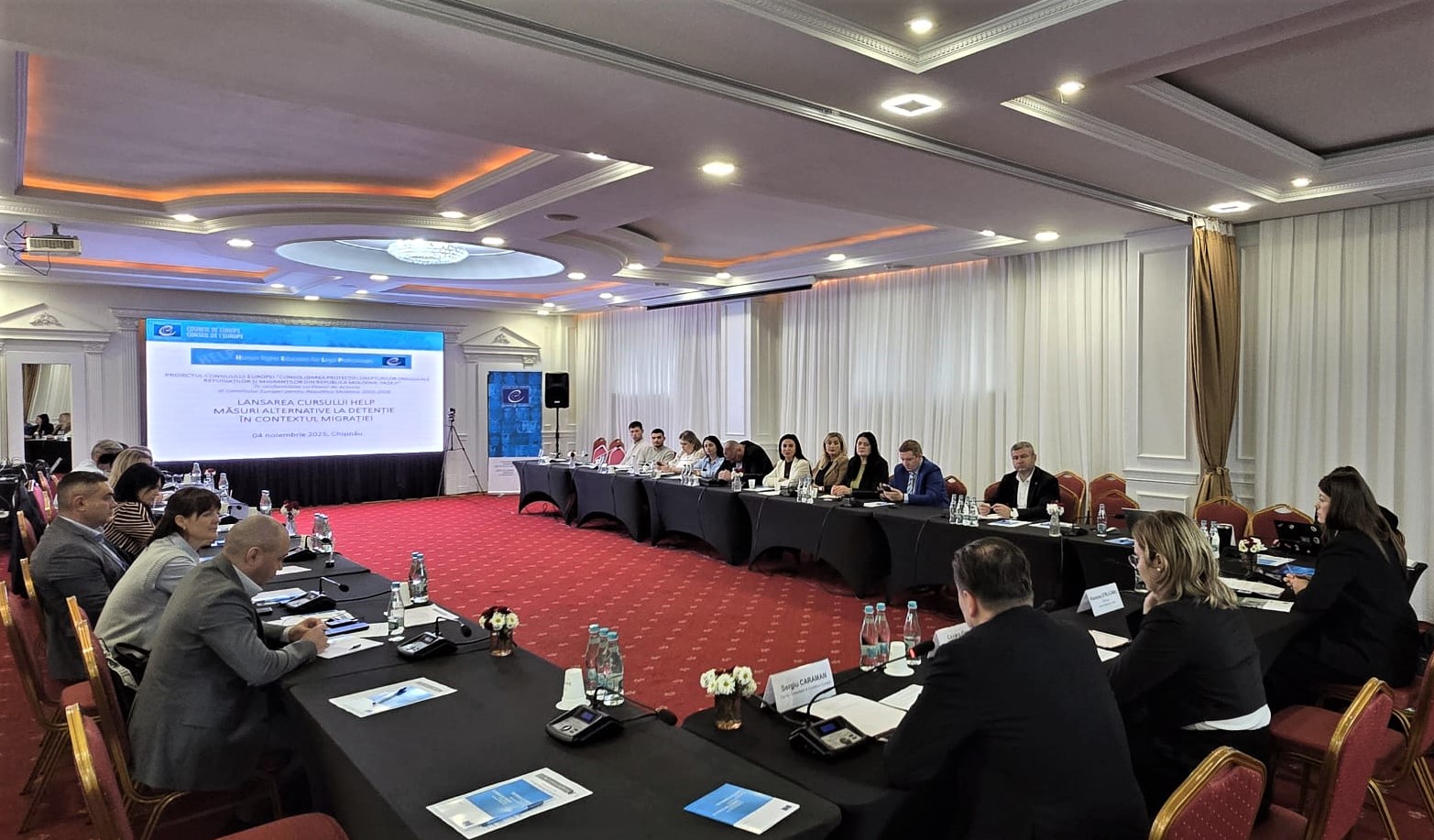
The National Institute of Justice, in partnership with the Council of Europe, launched on Tuesday, November 4, 2025, the new online course of the HELP program, entitled "Alternative measures to detention in the context of migration". The event marked the start of training for 86 professionals from the legal sector, including judges, prosecutors, judicial assistants, clerks, prosecutor consultants, state-guaranteed legal aid lawyers and officers of the General Inspectorate for Migration.
The training program was designed to support the effective application of alternative detention tools in line with European and international human rights standards. The main aim is to strengthen a well-informed legal community capable of promoting and effectively applying alternative measures. At the same time, the course aims to strengthen the skills of judicial practitioners in order to reduce the unjustified recourse to deprivation of liberty and to stimulate the use of detention alternatives that respect human dignity and optimize the migration process.
At the opening session, Giovanni Battista Celiento, head of the Cooperation Programs Division of the Human Rights and Rule of Law Directorate of the Council of Europe, and Ramona Strugariu, director of the National Institute of Justice, spoke.
During the launch, Ana-Maria Telbis, head of the HELP Program, and Janeta Hanganu, jurist in the Unit for the Republic of Moldova of the Registry of the European Court of Human Rights, presented the recent developments of the HELP program and the main obligations regarding the respect of human rights in the context of migration, with reference to the Minasian and others v. Republic of Moldova case. The national tutors - Sergiu Caraman and Cezara-Elena Polisca - addressed practical aspects related to the implementation of the program and the adaptation of the content to the domestic legal framework.
The event was organized in collaboration with the Council of Europe project "Strengthening the protection of human rights of refugees and migrants from the Republic of Moldova: phase II".