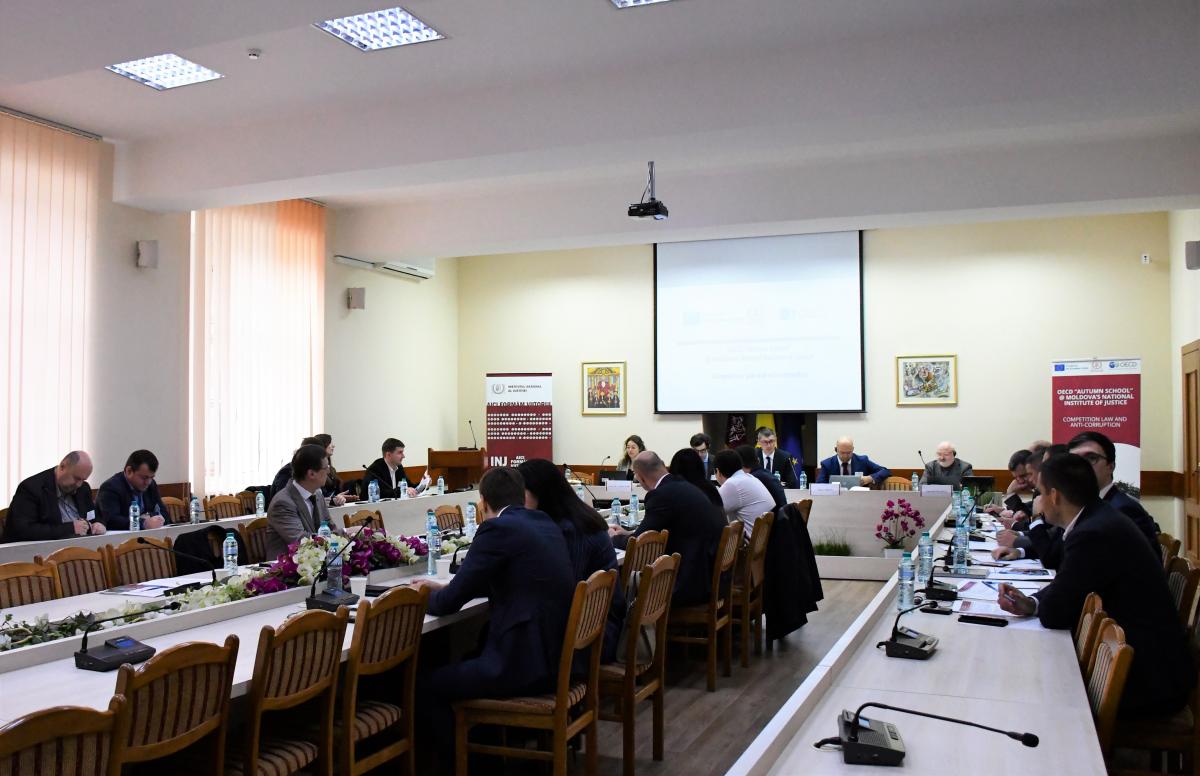
The autumn school on competition law and combating corruption was held at the National Institute of Justice
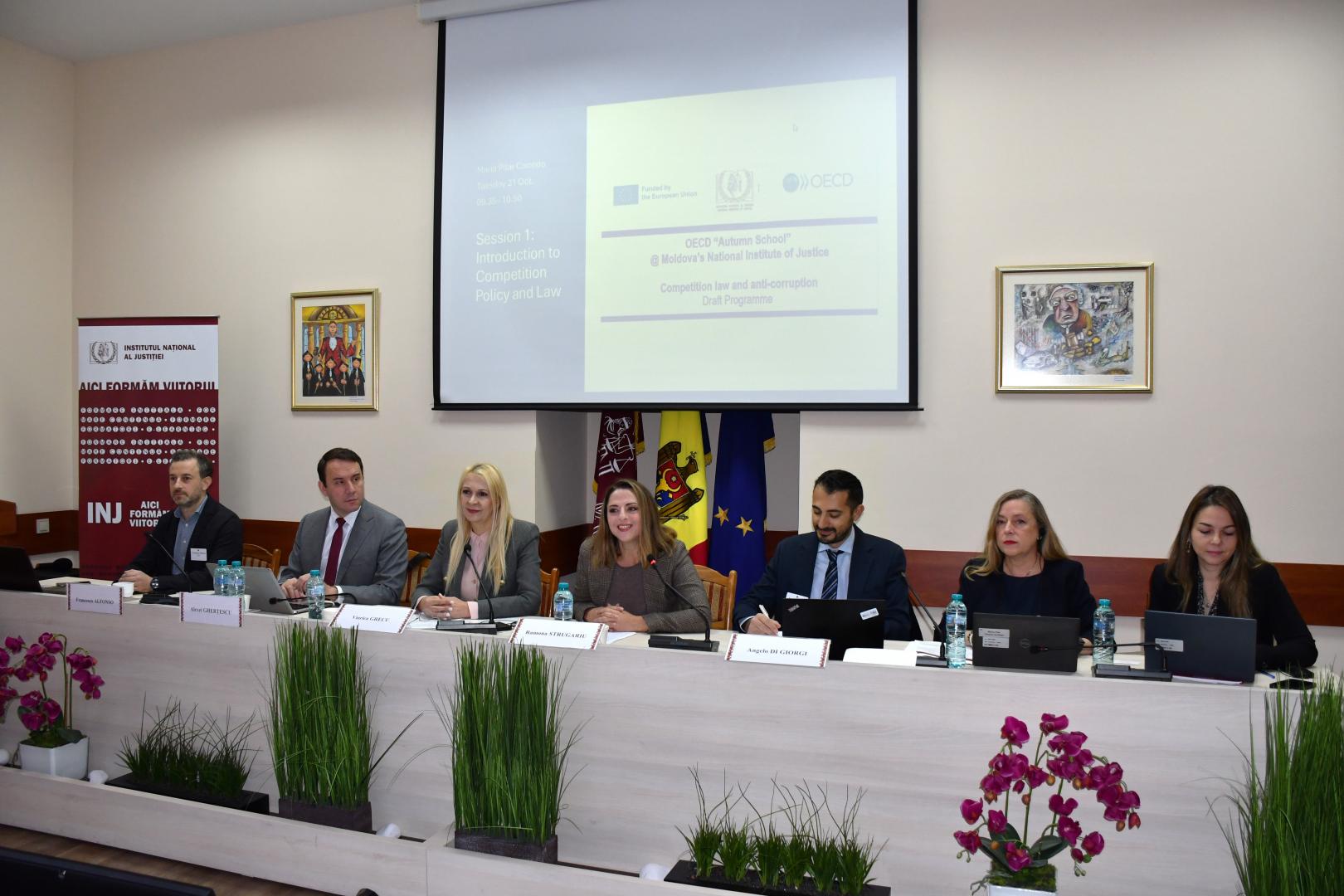
Between October 21-24, 2025, the National Institute of Justice, in partnership with the Organization for Economic Cooperation and Development (OECD), organized the autumn school dedicated to competition law and the fight against corruption. The activity, carried out with the financial support of the European Union, is part of the project "Supporting the Ministry of Justice and reforms in the justice sector in the Republic of Moldova" and contributes to the implementation of the Strategy for ensuring the independence and integrity of the justice sector 2022-2025.
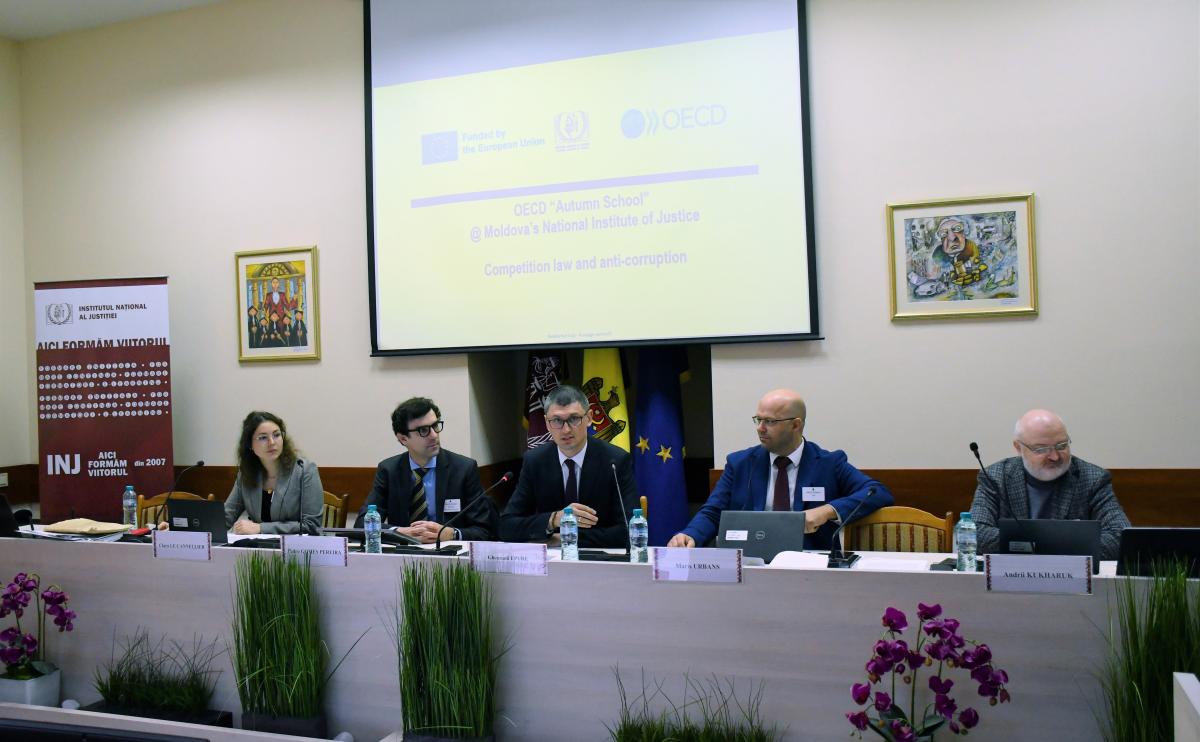
The opening of the two modules was attended by representatives of the organizing institutions and development partners: Ramona Strugariu, director of INJ, Viorica Grecu, secretary general of the Ministry of Justice, Angelo Di Giorgi, program officer for justice, elections and parliamentary affairs at the Delegation of the European Union to the Republic of Moldova, Alexei Gherțescu, president of the Competition Council, Francesco Alfonso, economist in the Directorate for Global Relations and Cooperation of the OECD, Ghennadi Epure, Deputy Director of INJ, and Clara Le Cannellier, Specialist in Public Policy Analysis at the Eurasia Division of the OECD.
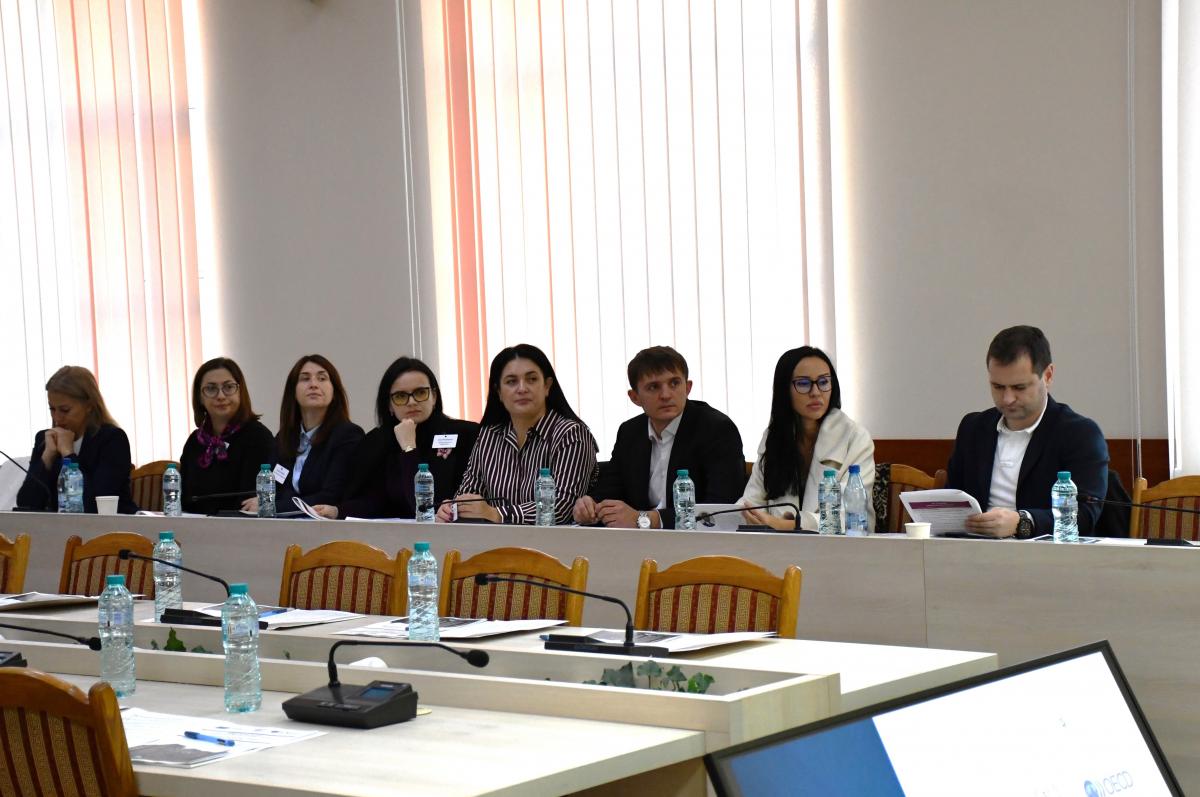
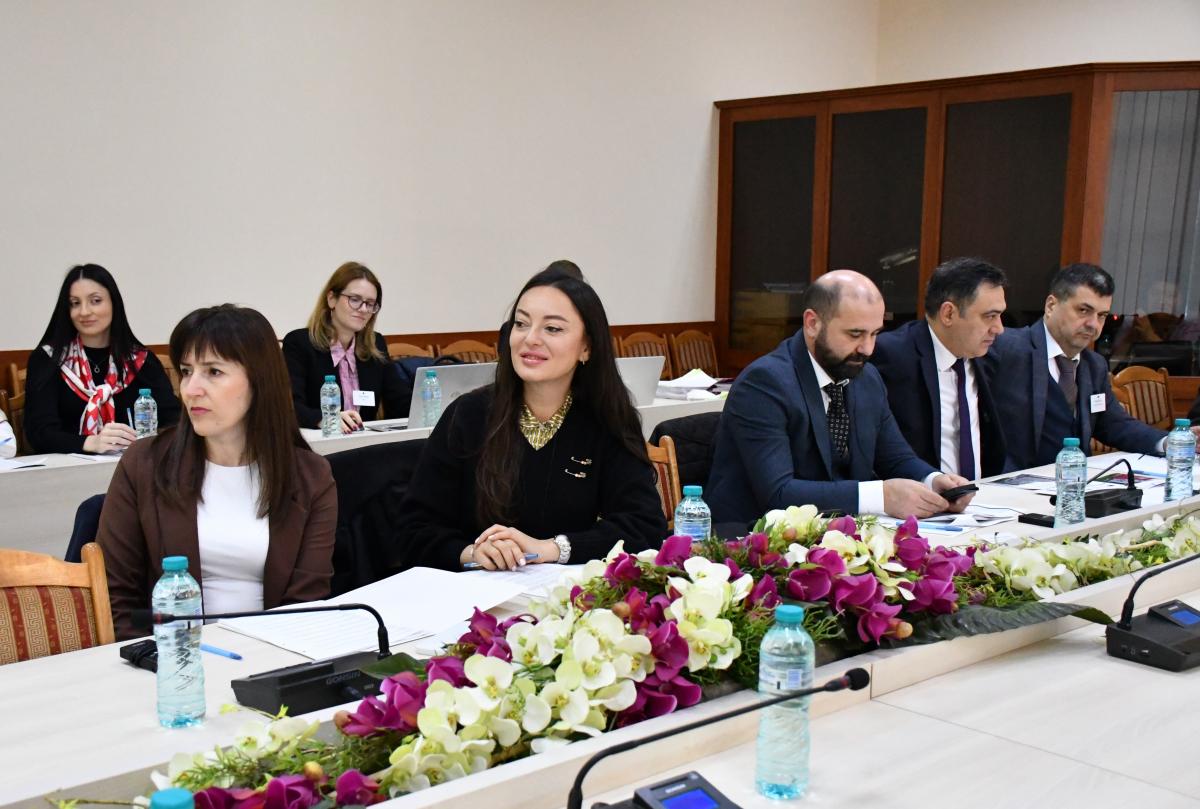
Structured in two modules, the autumn school was supported by OECD experts and specialists from national and international institutions, bringing together judges, prosecutors, officers and inspectors of anti-corruption authorities, lawyers and representatives of the Competition Council. The training program combined theoretical aspects and practical exercises, facilitating the exchange of experience between participants.
The module dedicated to competition law covered the principles of competition policy, the legislative framework, the main types of infringements, the definition of the relevant market, law enforcement procedures, the promotion of competitive culture and compliance with the principle of competitive neutrality. Exercises and case studies allowed the application of concepts in hypothetical scenarios, strengthening the understanding of the control mechanisms of economic concentrations, cartels and abuse of dominant position.
The second module focused on crime detection and investigation tools, the use of financial and circumstantial evidence, planning and prioritizing investigations, and international cooperation in cross-border cases. The activities were aimed at improving the skills necessary to apply anti-corruption procedures and develop effective investigative strategies. At the same time, emphasis was placed on an integrated approach to competition and corruption issues, including tracking illicit financial flows and investigating cross-border cases.
Galerie foto oficială (4)